Skip to content

Process & quality

Controlled process. Consistent fuel.

Fuel quality is decided long before the tanker leaves. Here is how we control every step from waste tyre to tested pyrolysis oil.

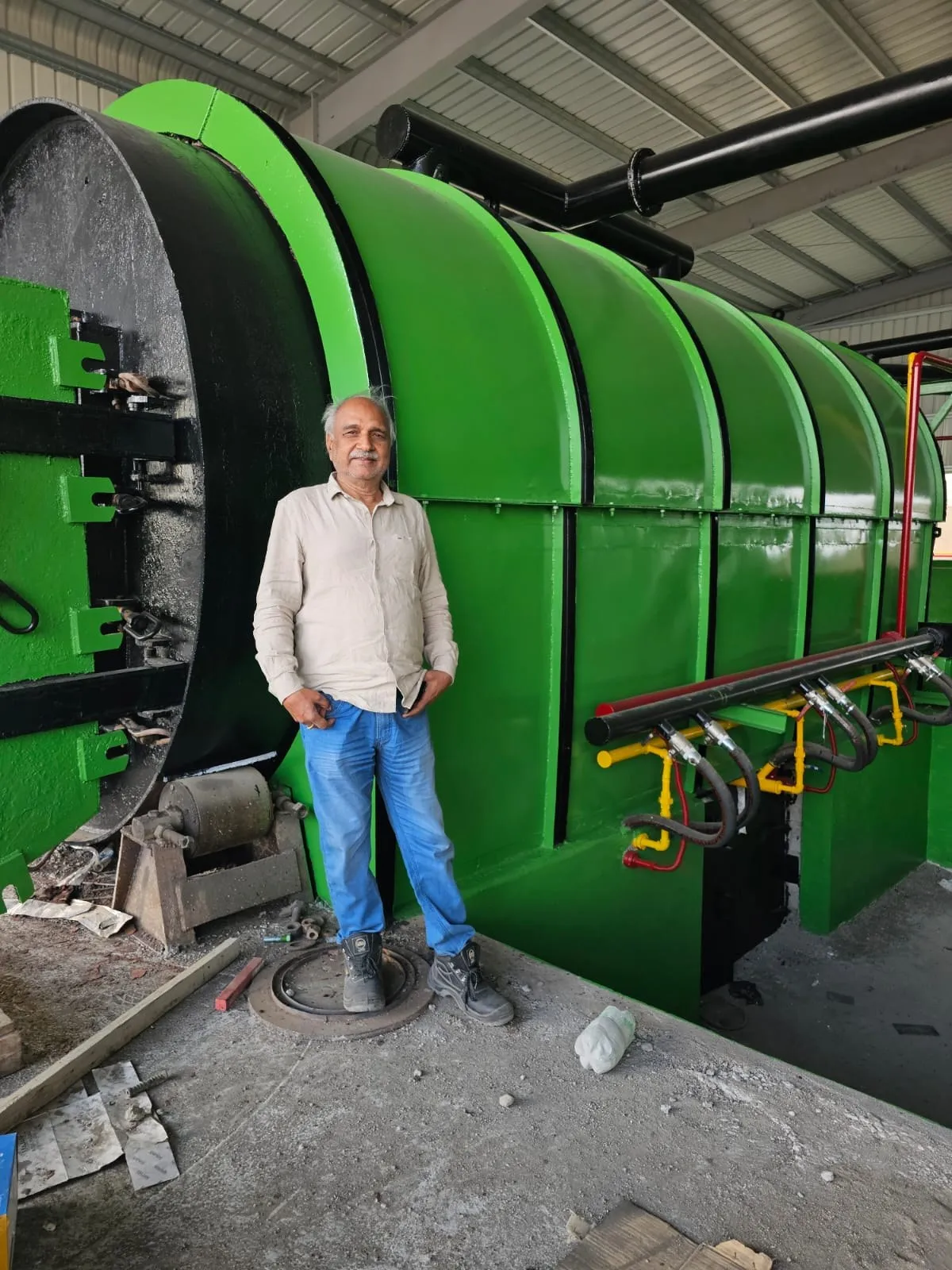
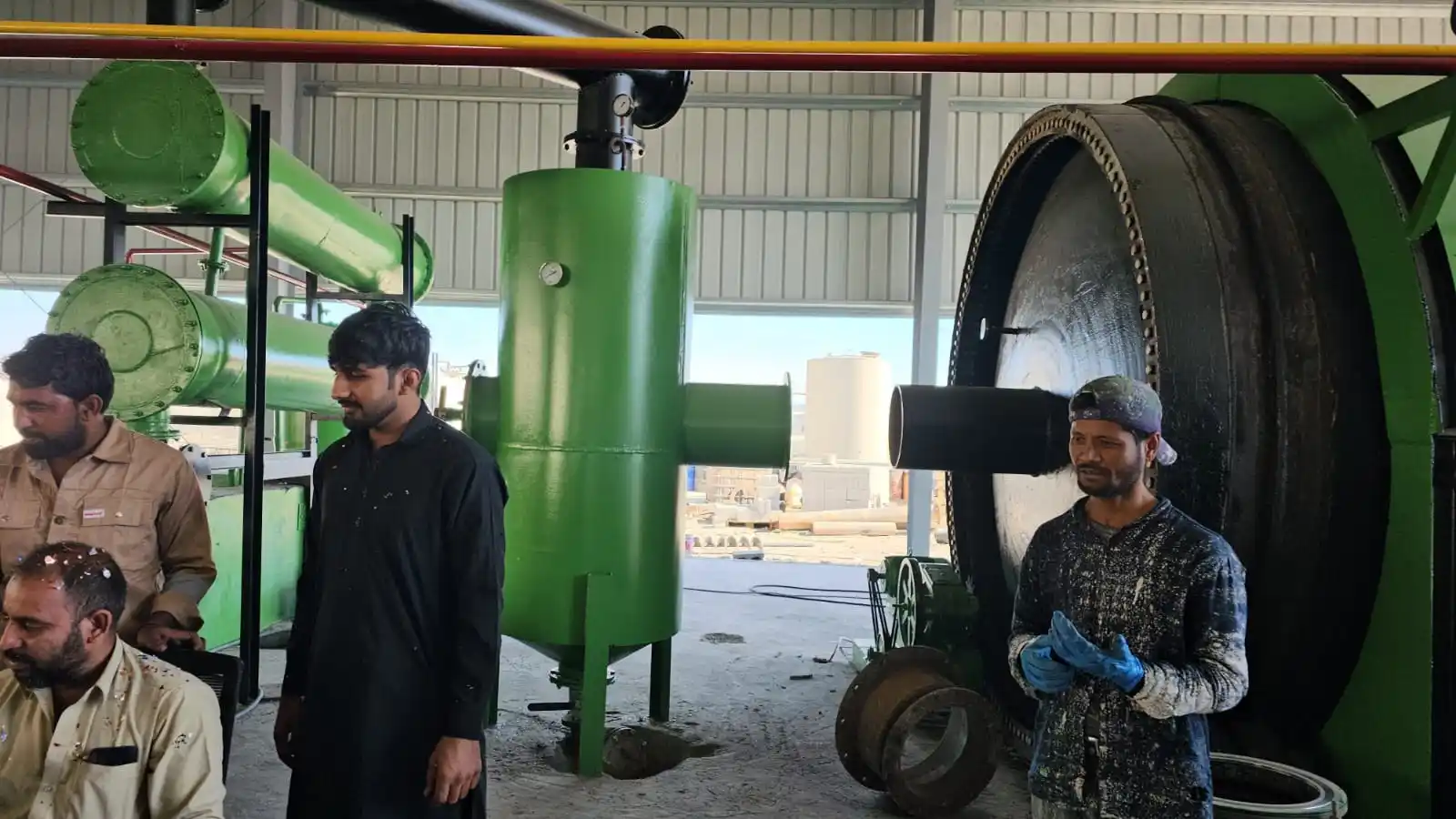
Our team at the pyrolysis reactor

Overview

Six steps from tyre to fuel

  1. 1

    Waste Tyres

    End-of-life tyres are collected from authorised sources and inspected.

  2. 2

    Shredding

    Tyres are cut into uniform chips for even, efficient heating.

  3. 3

    Pyrolysis Reactor

    Chips are heated to 400–500 °C [to confirm] without oxygen, breaking rubber into vapours.

  4. 4

    Condensation

    Hot vapours pass through condensers and cool into crude pyrolysis oil.

  5. 5

    Filtration

    Multi-stage settling and filtration remove water, carbon fines and sediment.

  6. 6

    Pyrolysis Oil

    Lab-tested, ready-to-burn fuel oil is stored and dispatched to you.

In detail

What happens at each stage

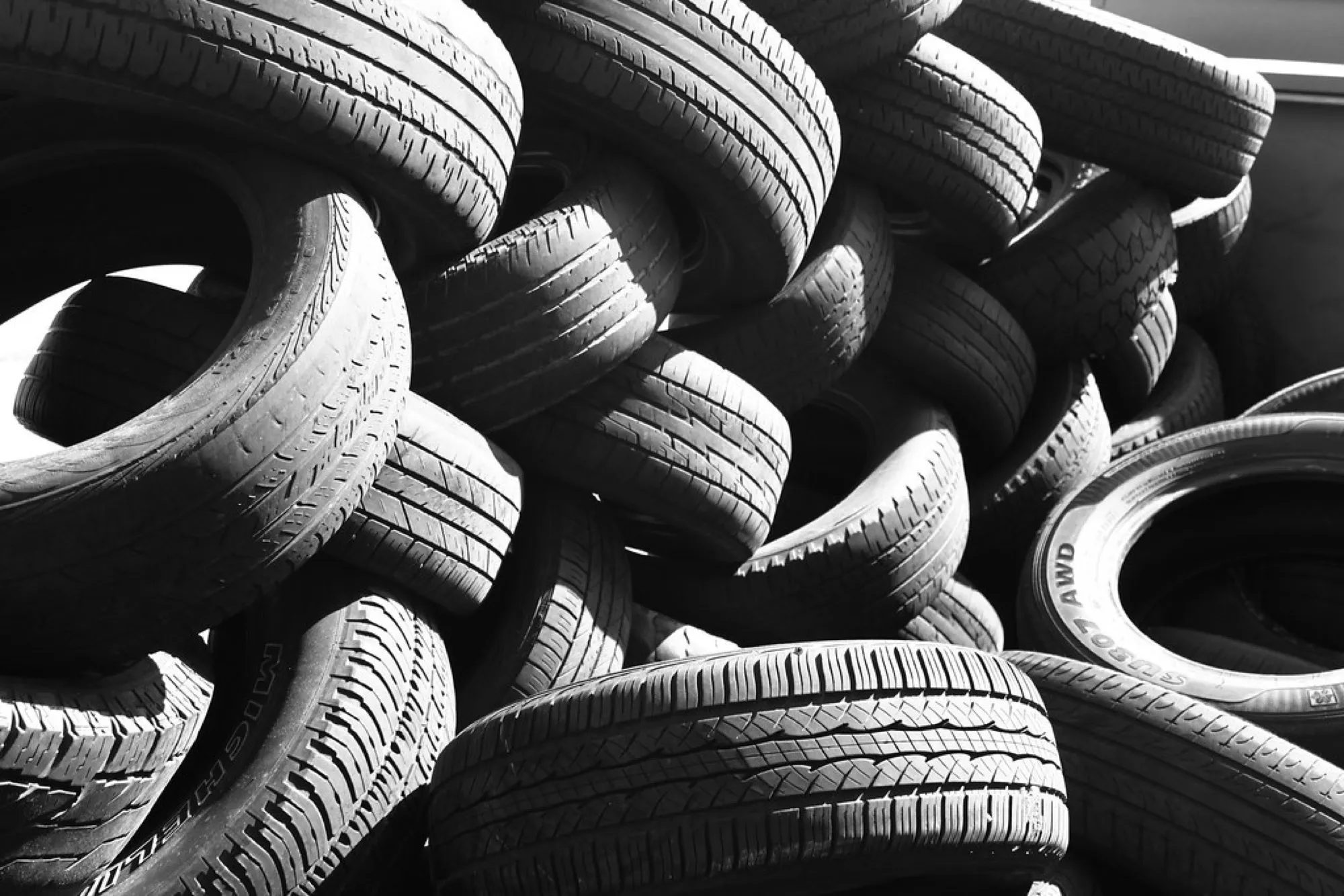
Close-up of a pile of waste tyres (placeholder image)

STAGE 01

Feedstock & shredding

We source end-of-life tyres from authorised collectors only. Tyres are inspected, de-beaded where needed, and shredded into uniform chips for even heating and a consistent oil.

  • Traceable, authorised tyre sources
  • Uniform chip size for steady reactions
  • Steel bead separated early
Green pyrolysis reactor at our plant

STAGE 02

Controlled pyrolysis

Chips are heated to about 400–500 °C [to confirm] in sealed reactors with no oxygen. Temperature and pressure are logged continuously, so every batch follows the same profile.

  • Oxygen-free, closed reactor
  • Continuous temperature & pressure monitoring
  • Non-condensable gas reused as reactor fuel
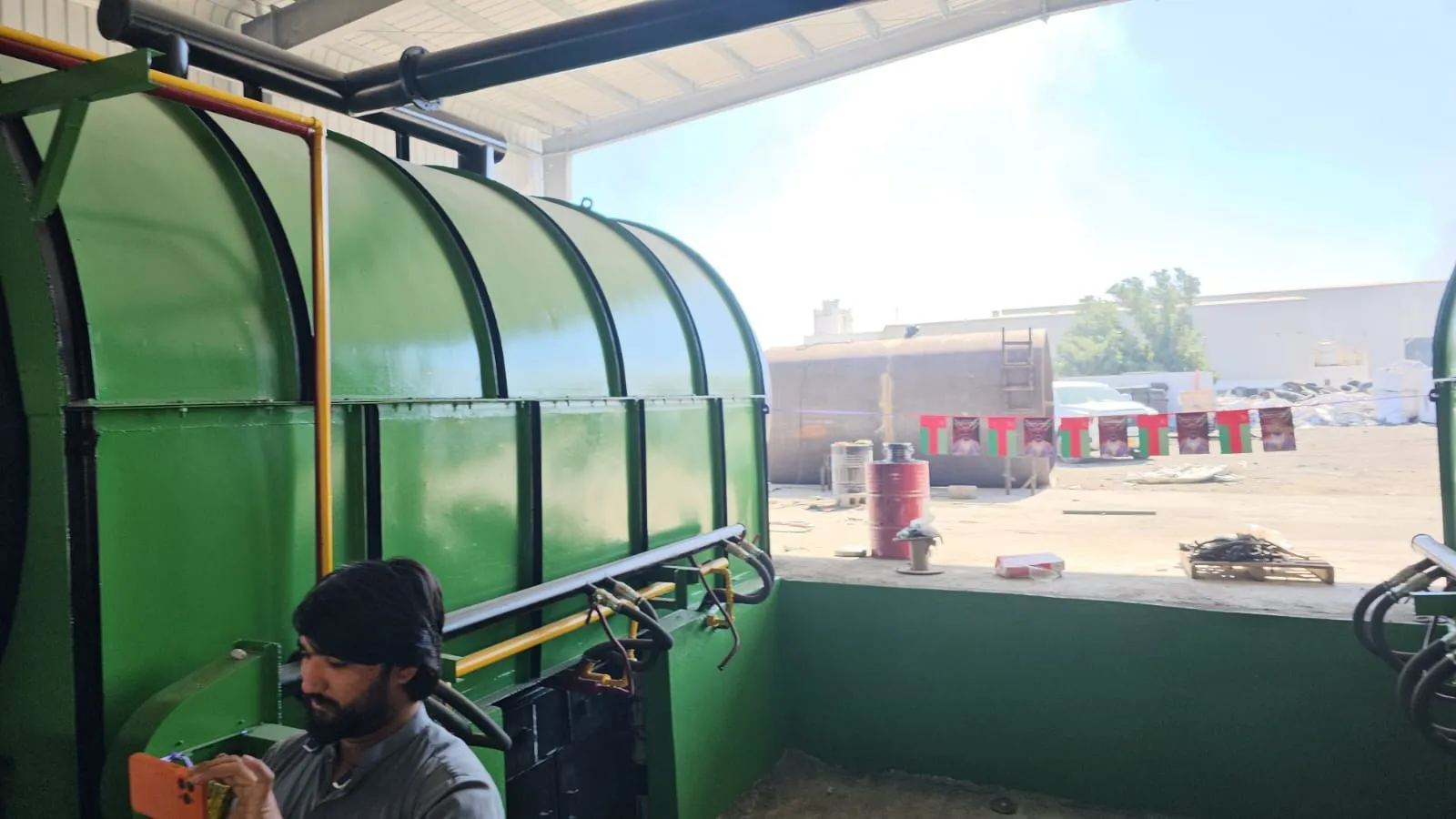
Operator monitoring the reactor and condenser line

STAGE 03

Condensation, settling & filtration

Vapours are condensed through a multi-stage condenser train. The crude oil is then settled and filtered in stages to remove carbon fines, sediment and water.

  • Multi-stage condensers
  • Gravity settling + multi-stage filtration
  • Water drained before storage
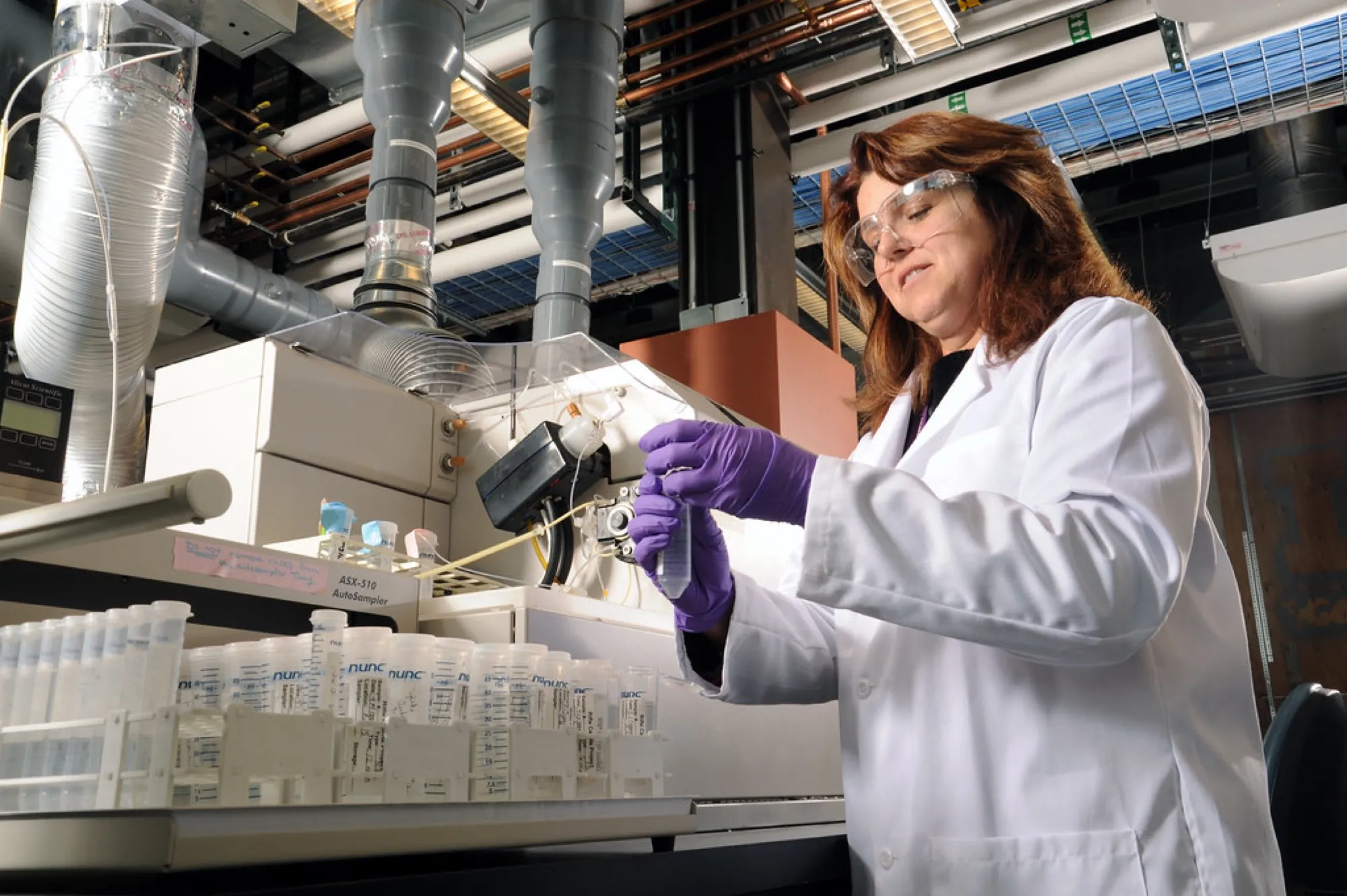
Technician analysing samples in a laboratory (placeholder image)

STAGE 04

Laboratory testing & release

Our in-house lab tests every batch. Only oil that meets specification is released to storage and dispatch, with a certificate of analysis.

  • Density, flash point, viscosity, water
  • Calorific value & sulphur (in-house / NABL)
  • Retained samples for every dispatch

Quality assurance

Quality checks you can verify

We don't ask you to take our word for it. Every claim is backed by a document.

Batch testing

Every batch is sampled and tested before release.

Certificate of analysis

A test report travels with every consignment.

Third-party verification

Periodic NABL lab testing to verify in-house results.

Retained samples

Samples from each dispatch kept for 90 days [to confirm].

Safety systems

Flame arrestors, pressure relief and fire-fighting systems.

Process logging

Reactor temperature & pressure recorded for every run.

Lab reports

Sample lab report

Download a sample spec sheet to see the parameters we test. Ask our team for the latest batch certificate or a third-party report.

Certifications & authorisations

  • GST Registered

    GSTIN 27AAICK3452F1ZK

  • MCA Incorporated

    CIN U51909MH2020PTC347132

  • DGFT Import-Export Code

    IEC AAICK3452F

  • MSME (Udyam) Registered

    UDYAM-MH-33-0075850

  • MSDS Available

    Material Safety Data Sheet on request

See the quality for yourself

Request a sample with its test report and trial it in your own burner before you commit.

Call Get Quote