Fuel costFurnace oil alternativeTPO
Pyrolysis Oil vs Furnace Oil: Which Is Cheaper for Your Plant?
Price per litre tells only half the story. Here is how to compare tyre pyrolysis oil and furnace oil on the number that actually matters: cost per unit of heat.
KAMRS EXIM Technical Team 6 min read
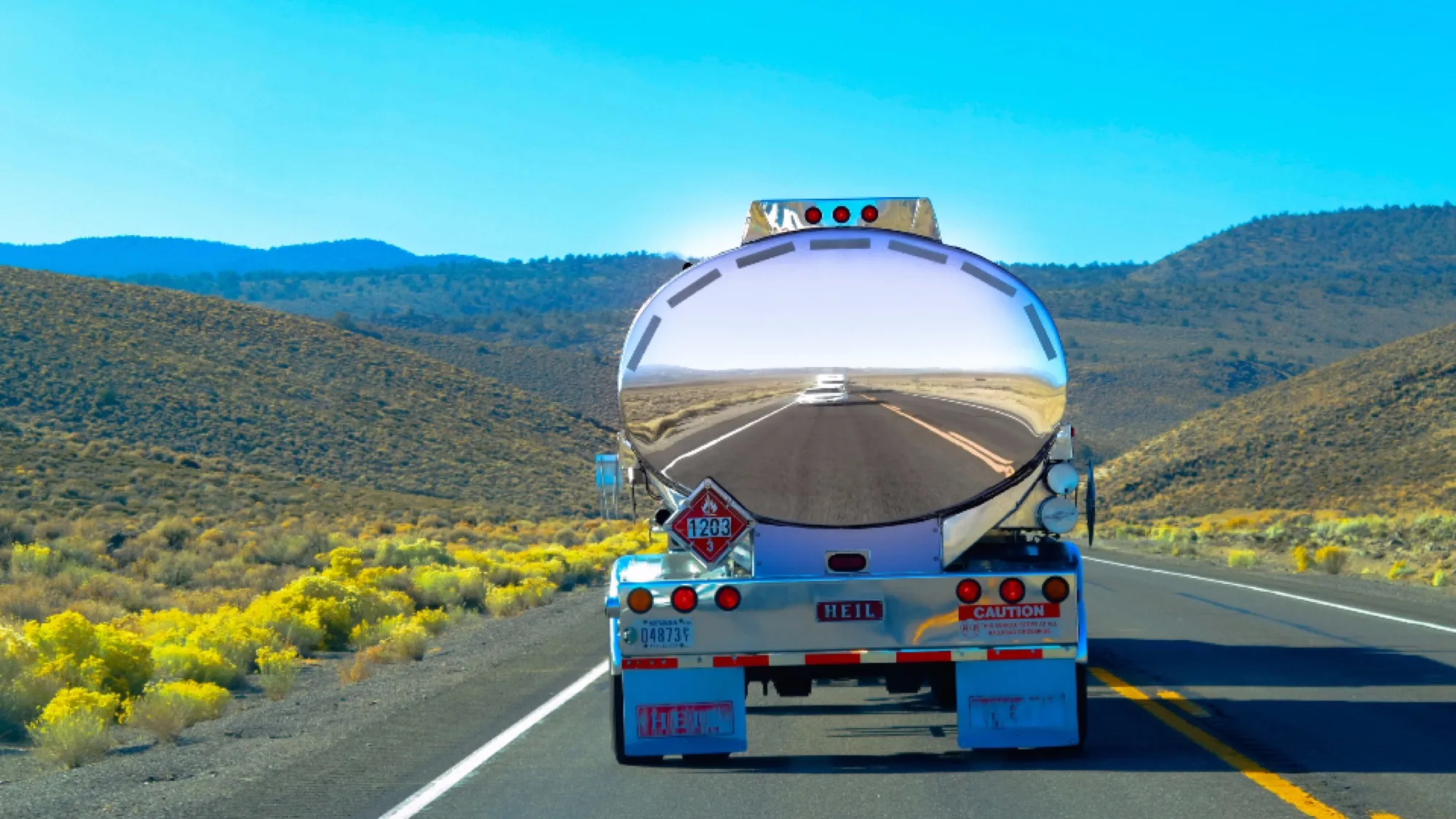
If you run a boiler, reheating furnace or kiln, fuel is probably your biggest running cost after raw material. So when someone offers a furnace oil alternative that is “much cheaper”, the natural reaction is: cheaper by how much, and is it really the same heat?
This guide compares tyre pyrolysis oil (TPO) and furnace oil (FO) the way a plant engineer would. We look at the price per litre, and also at the cost per unit of heat delivered into your process.
The short answer
In most Indian markets, pyrolysis oil costs less per kcal than furnace oil. The saving is often in the range of 15–30% [to confirm against current rates]. The exact gap moves with crude prices, your location and your order volume, so always compare with a live quote.
Why price per litre is misleading
Two fuels can have very different energy content. So the useful comparison is cost per 1,000 kcal (or per tonne of steam), not cost per litre.
Here is a simple formula:
Cost per 1,000 kcal = (Price per litre ÷ Density in kg/l) ÷ Calorific value in kcal/kg × 1,000
Example with placeholder numbers (replace them with your actual quotes):
| Parameter | Pyrolysis Oil (TPO) | Furnace Oil (FO) |
|---|---|---|
| Price per litre | ₹ A [to confirm] | ₹ B [to confirm] |
| Density | 0.92 kg/l | 0.95 kg/l |
| Gross calorific value | ~10,000 kcal/kg | ~10,300 kcal/kg |
| Cost per 1,000 kcal | (A ÷ 0.92) ÷ 10 | (B ÷ 0.95) ÷ 10.3 |
Even after you adjust for TPO’s slightly lower density and calorific value, it usually comes out ahead because its price per litre is lower.
Calorific value: how close is TPO to furnace oil?
Good-quality tyre pyrolysis oil has a gross calorific value of about 10,000 kcal/kg. That is very close to furnace oil. In practice your burner delivers almost the same heat per kilogram. The small difference is usually more than covered by the lower price.
What matters more is consistency. If calorific value, water content or viscosity swing from load to load, your operators will keep re-tuning the burner, and you will lose efficiency. That is why you should insist on a batch test report with every delivery.
Burner compatibility
Most burners that fire furnace oil or LDO can fire TPO with little or no change. Typical adjustments include:
- Preheating: TPO usually needs less preheating than FO. Around 40–60 °C is common.
- Nozzle size: sometimes changed slightly to get the right atomisation.
- Air-fuel ratio: fine-tuned for a clean, stable flame.
A good supplier will help you with this switch-over. It is usually a matter of hours, not days.
Availability and supply reliability
Furnace oil is sold through oil marketing companies and their dealers. Pyrolysis oil is sold directly by the manufacturer. That has two advantages:
- Price flexibility. You negotiate directly, and term contracts can lock in pricing.
- Scheduling. Tanker deliveries can match your consumption, so you are never stuck with an empty tank.
The risk is choosing a supplier who cannot deliver consistent volumes. Before you commit, ask about plant capacity, storage, tanker fleet and the authorisations they hold.
Hidden costs to consider
A fair comparison also looks at:
- Water and sediment: poorly filtered oil means more tank draining and more nozzle cleaning.
- Sulphur: check that sulphur content is within the limits of your consent conditions.
- Logistics: a nearby supplier means a lower freight cost per litre.
- Downtime: a reliable supplier avoids costly unplanned shutdowns.
The environmental bonus
Pyrolysis oil is made from end-of-life tyres that would otherwise go to landfill or be burned in the open. Switching gives you a recycled fuel, which is a useful point for ESG reporting and customer audits.
Bottom line
For most boilers, furnaces and kilns, pyrolysis oil is cheaper than furnace oil on a cost-per-kcal basis. It also works in your existing burners and comes direct from the plant. The way to confirm the saving for your site is to compare a live quote using the formula above.
Want the numbers for your plant? Request a bulk quote with your monthly consumption and location. We will send a landed price and spec sheet within one working day. You can also see the full technical specifications or learn more about tyre pyrolysis oil.