ApplicationsTPO fuelBoilers
Uses of Tyre Pyrolysis Oil in Indian Industry
From textile boilers to steel re-rolling furnaces, TPO has become a go-to industrial fuel oil. Here is where it works best and what to check before switching.
KAMRS EXIM Technical Team 5 min read
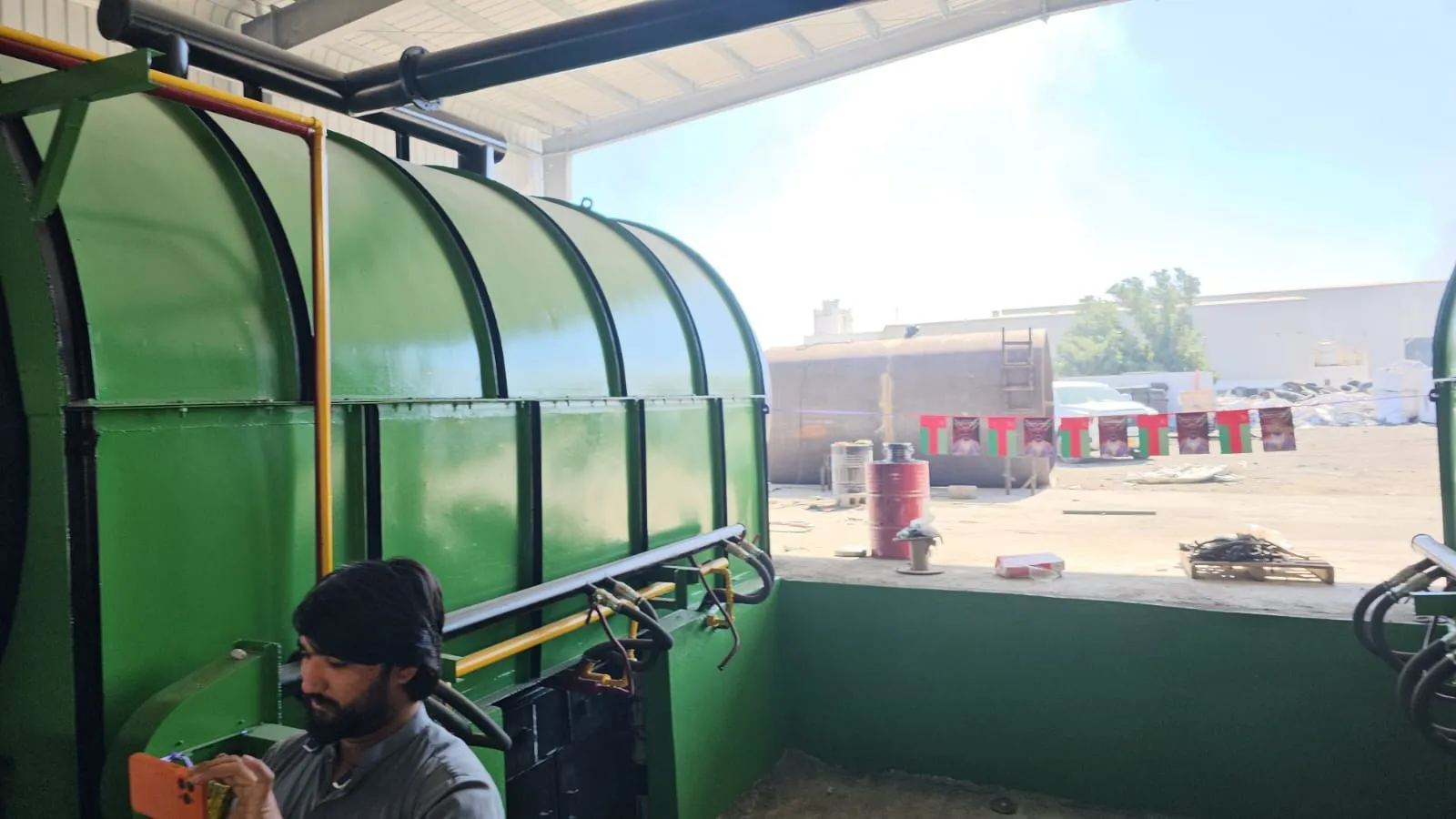
Tyre pyrolysis oil (TPO) is a liquid fuel recovered from waste tyres. Its high calorific value and lower cost compared with furnace oil have made it a popular industrial fuel oil across India. Below are the main applications, what makes TPO a good fit for each, and a few practical tips.
1. Steam boilers and thermic fluid heaters
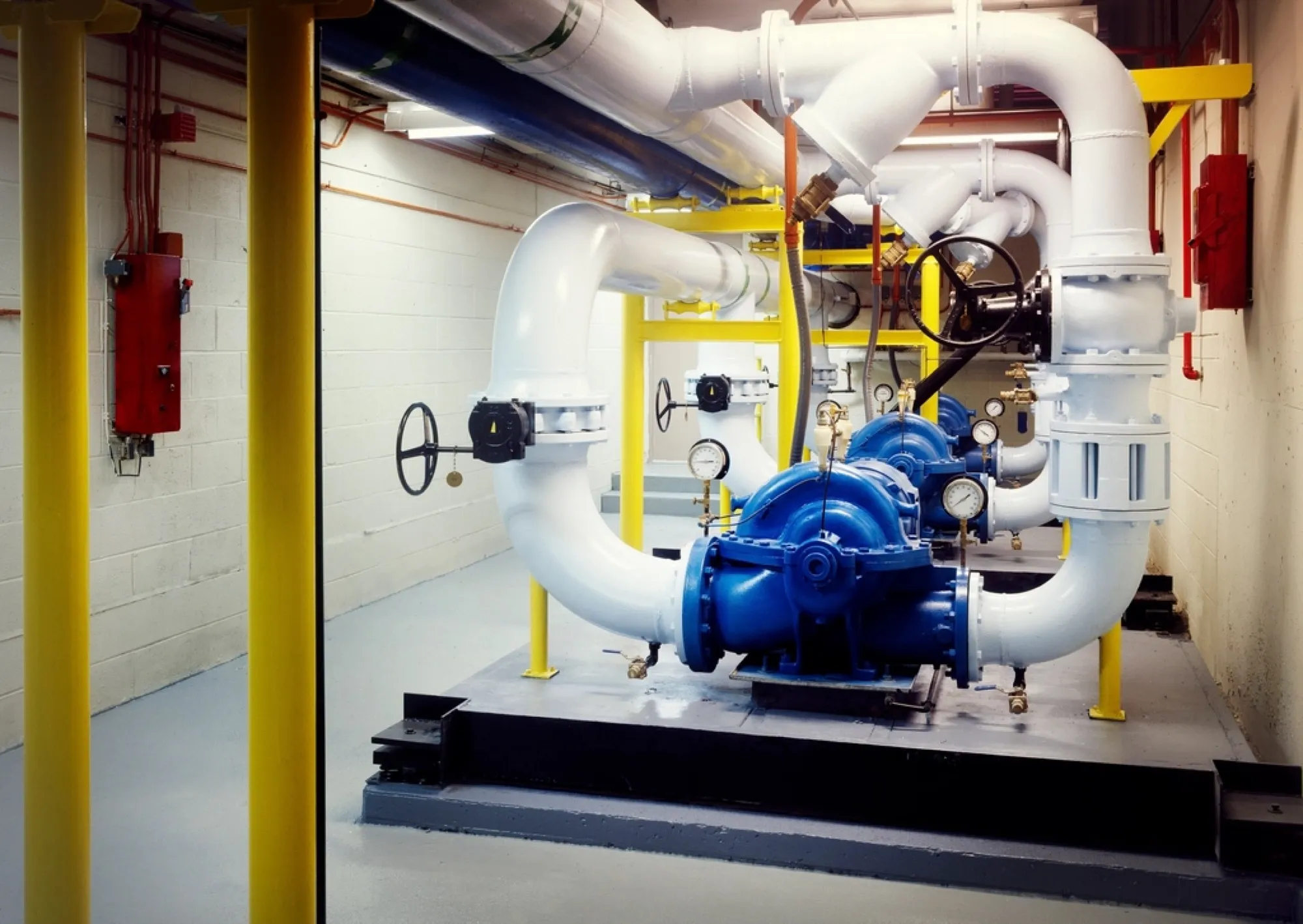
Textile processors, food plants, paper mills, chemical units and dyeing houses run oil-fired boilers almost round the clock. Fuel is their single biggest operating cost.
Why TPO works: about 10,000 kcal/kg [to confirm], a stable flame, and compatibility with most furnace oil burners.
Tip: set preheating to about 40–60 °C and fine-tune the air-fuel ratio. Track steam output per litre for the first week to confirm the saving.
2. Industrial furnaces
Forging units, heat-treatment shops and reheating furnaces need high, steady temperatures. TPO’s energy density makes it a practical furnace oil alternative for these duties.
Tip: use a duplex filter before the burner pump, and drain settled water from day tanks every week.
3. Steel re-rolling mills
Reheating furnaces in re-rolling mills burn large volumes of fuel every day. Even a small saving per litre makes a big difference across a month. Many mills now use TPO as their primary fuel or blend it with furnace oil.
Tip: agree a tanker delivery schedule matched to your production plan, so you never run short during a rolling campaign.
4. Cement and lime kilns
Cement plants are under pressure to raise their thermal substitution rate with alternative fuels. TPO can be co-fired for kiln start-up or as part of the fuel mix.
Tip: ask your supplier for batch test reports and sulphur data, since these feed into your environmental compliance records.
5. Foundries
Ladle preheating, crucible furnaces and mould drying all need reliable, controllable heat. Smaller foundries often prefer drum or IBC supply, which makes TPO easy to adopt.
6. Brick and ceramic kilns
Compared with coal or other solid fuels, a liquid fuel gives cleaner handling, steadier firing and less ash. TPO suits tunnel kilns and ceramic kilns well.
7. Hot-mix asphalt plants
Road contractors use oil-fired dryers to heat aggregate. TPO delivered by tanker straight to the site lowers fuel cost per tonne of mix.
8. Blending
In permitted applications, TPO is blended with furnace oil or LDO to lower the average fuel cost without changing equipment. Lighter plastic pyrolysis oil is sometimes used to reduce the viscosity of heavier fuels.
Before you switch: a quick checklist
- ✅ Confirm burner type and current preheating setup
- ✅ Ask for a sample and test report (density, flash point, water, sulphur)
- ✅ Check your SPCB consent conditions for fuel use
- ✅ Arrange storage: a closed MS tank with a water drain point
- ✅ Plan delivery frequency to match consumption
Ready to try TPO in your plant?
We supply trial quantities in drums and regular volumes by tanker, and our team supports burner tuning on site. Explore applications by industry, see our tyre pyrolysis oil specifications, or request a quote.